3syiovC1WjjU
Schools and early-learning organizations in Central Pennsylvania are among the recipients of a new state grant round designed to connect students with fresh local food and practical lessons about agriculture. The Pennsylvania Department of Agriculture announced $639,978 in Farm-to-School grants on November 20, awarding support to 57 schools, school districts and childhood education centers in 29 counties.
The grants are intended to do more than add local ingredients to cafeteria menus. The projects can also create school gardens, organize farm visits and give children a chance to learn how food is grown, harvested and prepared. For families and educators in the region, the awards offer a look at how agriculture, nutrition and classroom learning can be connected.
Three recipients in the Central Pennsylvania region
The department’s county-by-county list identifies three recipients in nearby Cumberland and Perry counties. Kids 4 The Future Learning Academy in Cumberland County received $15,000 for a 48-week project that aims to serve locally sourced produce and build agricultural-awareness activities into its curriculum. The description also includes cultural inclusion as one of the project’s goals.
In Perry County, Greenwood School District received $7,122 for a shareable farm stand that will connect families and neighbors with student-grown produce. The department says the project is intended to turn learning into a public demonstration of sustainability, nutrition and agricultural science.
Newport School District received $14,730 for a project that builds on a school garden created by students and staff in 2025. The district plans to establish the garden with a farm stand and pollinator habitat, connecting the school garden and local farmers’ produce with the wider Newport community. The project is designed to help pre-kindergarten through eighth-grade students and their families learn about locally produced food.
No Dauphin County recipient appears in the department’s published list for this grant round. The Cumberland and Perry awards are nevertheless relevant to the wider Harrisburg region because they show how schools and community partners are using state support to build local food connections.
How the Farm-to-School model works
The Department of Agriculture says the grants support several kinds of activity. Some projects connect schools with nearby farms so fresh, seasonal products can be served in cafeterias. Others focus on gardens, field trips, food tastings and other hands-on experiences. The goal is to make the food system more visible to students while also expanding opportunities for Pennsylvania farmers to sell to schools and early-learning programs.
That approach can give students a practical reason to study science, nutrition and the environment. A garden can help demonstrate how soil, water, weather and pollinators affect food production. A cafeteria partnership can introduce students to produce grown in their own region. A farm visit can help explain the work involved in planting, raising, harvesting and bringing food to market.
For school districts, these projects also require planning beyond the initial purchase. Gardens need maintenance, staff time and a plan for using what students grow. Local-food purchasing requires coordination with suppliers, food-service teams and seasonal availability. The state grant descriptions show that recipients are taking different approaches based on their own programs and community partners.
Another application round is open
Agriculture Secretary Russell Redding also announced that applications for the next round of Farm-to-School grants are being accepted through January 4, 2027. The department says the next round is funded through the Commonwealth’s 2026-27 budget. The current announcement describes grants of up to $15,000, although organizations should review the official program materials for the latest eligibility and application requirements.
Schools, districts and eligible childhood education centers considering an application should begin by identifying a project that can be sustained after the grant period. A school garden may need a reliable maintenance plan during summer break. A farm-to-cafeteria project may need suppliers who can meet the district’s volume and delivery schedule. A field-trip program may need transportation and staff coordination. Those practical details can help turn a one-time award into a lasting learning opportunity.
Why the local connection matters
Central Pennsylvania’s mix of school communities and agricultural producers creates opportunities for partnerships that are both educational and economic. When schools purchase locally grown products, farmers gain another potential customer. When students visit farms or work in gardens, they can better understand where food comes from and the skills involved in producing it.
The latest awards do not mean every participating school will immediately change its menus or curriculum. Each project will depend on local implementation. But the Cumberland and Perry County recipients provide concrete examples of how the statewide program is being applied close to home.
Families and educators can follow updates from their school districts and consult the Department of Agriculture’s official Farm-to-School grant information before assuming that a project has begun or that a new application has been approved.
Source: Pennsylvania Department of Agriculture, November 20, 2026.
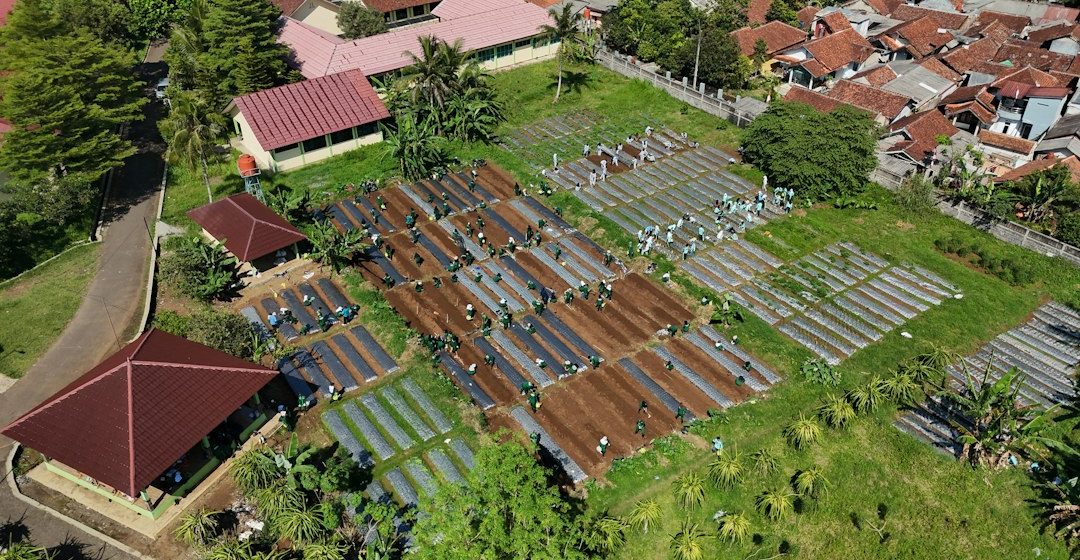
Featured image: Illustrative vegetable-garden photograph by Publikasi SMKN 1 Cibadak via Unsplash; it does not depict a named grant recipient.