3syiovC1WjjU
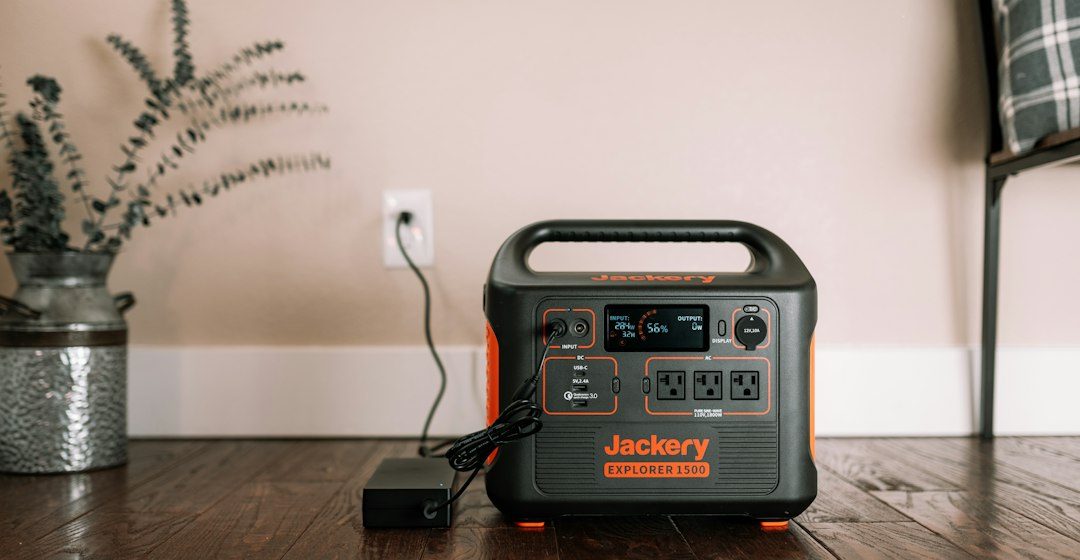
Pennsylvania lawmakers are considering a proposal that would create a registry for residential utility customers who rely on electricity-powered life-sustaining equipment and establish grants to help eligible households buy backup generators or battery packs. House Bill 2892 was referred to the House Consumer Protection, Technology and Utilities Committee on November 23, beginning the next stage of consideration.
The proposal could matter to families across the Commonwealth, including residents in the Harrisburg region, who depend on electrically powered equipment to maintain vital bodily functions. It is important to distinguish the proposal from current law: HB 2892 has not been enacted, and the General Assembly’s bill page lists referral to committee as its latest action.
What the bill proposes
HB 2892 would add a medical-customer registry section to Title 66 of Pennsylvania’s Public Utility Code. Under the bill text, utilities would ask residential customers on a quarterly basis whether they or someone living at the address uses life-sustaining equipment powered by electricity. A customer who identifies such a need would be designated as a medical customer through a medical certificate.
The proposed certificate could be provided in writing or orally by a physician, nurse practitioner or physician assistant. The bill specifies information that would be included, such as the customer’s name and address, the affected person’s information and relationship to the account holder, the anticipated duration of the condition and the certifying professional’s contact details.
Utilities would maintain the registry. During an emergency, the bill would require a utility to notify registered medical customers if the customer would be without electricity for two or more hours. The utility would also be directed to make every effort to restore service to a medical customer as soon as possible.
Proposed protection against shutoffs
The bill also proposes limits on discontinuing electric service for nonpayment when a medical customer’s condition would be aggravated by a loss of electricity. The proposal would require the Public Utility Commission to establish conditions for that protection, including reasonable proof of an inability to pay by the bill’s due date and quarterly physician statements.
Those statements would need to confirm the use of life-sustaining equipment and explain that discontinuing service would aggravate the customer’s condition. The bill text also says a medical customer would remain liable for unpaid utility balances under the utility’s tariff. In other words, the proposal is not written as a blanket cancellation of bills; it sets out a process for protecting eligible customers from shutoff while retaining payment obligations.
Generator and battery grants
One of the bill’s central features is a proposed Generator Grant Program for Medical Customers within the Department of Community and Economic Development. It would reimburse eligible medical customers for the purchase or installation of generators and battery packs intended to keep life-sustaining equipment operating during an emergency.
The bill says grants would be awarded on a first-come, first-served basis and could not exceed $2,000 per medical customer. Applications would need to include proof of the medical certificate and utility registry designation, evidence that the applicant is a customer of the utility, and receipts for a generator or battery pack purchased during the previous 12 months. Receipts for installation by a contractor or utility during the previous 12 months could also be required.
The proposed reimbursement structure is a key detail for households to understand. The text describes a grant for documented purchases or installation, rather than an automatic payment to every person who uses medical equipment. The department would have to develop an application process if the bill becomes law.
Where the bill stands
HB 2892 was introduced on November 17, 2026, by Rep. Jim Prokopiak and was referred to the House Consumer Protection, Technology and Utilities Committee on November 23. The official bill page shows no votes or committee meetings at the time of the latest posted information. The referral means the committee is the next formal point of review; it does not mean the proposal has passed the House or Senate.
Residents who want to follow the proposal can use the Pennsylvania General Assembly’s official bill page to review the current text, sponsors and action history. The wording can change as a bill moves through committee and floor consideration, so the current version should be checked before drawing conclusions about eligibility or implementation.
What residents should know now
Because HB 2892 is still a proposal, households should not assume that a generator grant is currently available under this bill or that utility companies have already created the proposed registry. Residents who rely on electrically powered medical equipment should continue using existing utility and health-care-provider procedures for documenting their needs and planning for outages.
If enacted, the proposal would create a more formal framework for outage notifications, shutoff protections and backup-power reimbursements. For now, the next milestone is committee consideration and any amendments or votes recorded by the General Assembly.
Sources: Pennsylvania General Assembly, HB 2892 bill history; HB 2892, Printer’s No. 4124, November 23, 2026.
Featured image: Illustrative portable power station photograph by Jackery Power Station via Unsplash; it does not depict a state grant recipient or an approved program.