3syiovC1WjjU
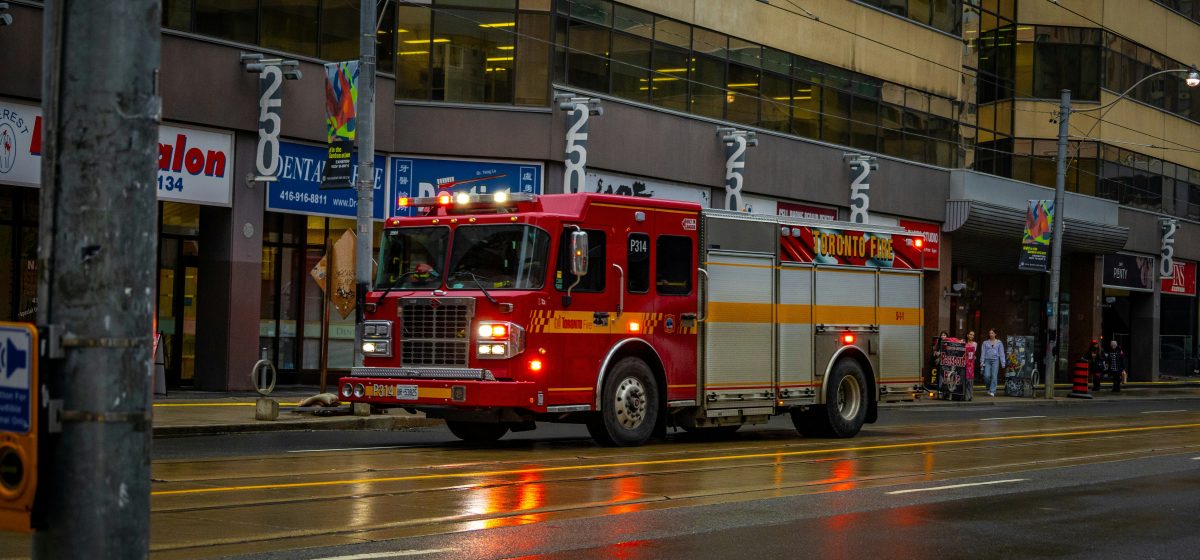
Emergency crews across parts of Pennsylvania spent the days after Thanksgiving responding to hazards left by strong winds and heavy rain, including downed trees, damaged power lines and disruptions to roads and utilities. As residents continue cleanup, local officials and utilities are emphasizing a basic message: damaged electrical equipment and unstable structures should be treated as dangerous until professionals have secured them.
Downed wires can remain energized
Local television reporting on the storm described trees falling onto vehicles and homes in the Philadelphia region, as well as a fire near the Willow Grove Turnpike entrance off Route 611 after downed wires sparked flames. Other communities reported trees and branches blocking roads and power interruptions that affected traffic signals. These incidents show how quickly a weather event can create hazards beyond the immediate damage to a property.
Residents should never touch a fallen wire, attempt to move it with a household object or assume it is safe because the power appears to be off. A line may still be energized, and nearby water or metal objects can increase the danger. People should stay far away, keep children and pets back, and contact the electric utility or 911 when there is an immediate threat such as fire, sparking or a wire across a public road.
Use caution around damaged trees and buildings
Branches caught in other trees can fall without warning, and a tree that has shifted may be unstable even if it has not completely fallen. Residents should avoid walking beneath hanging limbs or climbing onto roofs to inspect damage. Work involving chainsaws, ladders, electrical equipment or structural repairs can be especially dangerous when performed by people without the proper training and protective equipment.
If a home has been struck by a tree or has visible roof or wall damage, occupants should consider whether the building remains safe to enter. If there is a smell of gas, smoke, visible electrical damage or signs of structural instability, leave the area and contact emergency services or the appropriate utility. Photographs for insurance purposes should be taken only from a safe location.
Travel conditions can change after the storm
Roads may remain blocked while crews remove trees and repair lines. Traffic signals can also be out of service when a neighborhood loses electricity. Drivers should slow down near work zones, treat dark intersections as four-way stops where required by law, and never drive around barricades or through standing water. Rail passengers should check their operator’s service notices before leaving because weather-related disruptions may continue after the strongest winds have passed.
Motorists should also give utility crews, firefighters, police officers and road workers room to operate. Moving equipment, bucket trucks and emergency vehicles may occupy lanes or shoulders, and workers may be focused on overhead hazards that are not immediately visible to approaching drivers.
Power restoration does not mean every hazard is gone
PPL Electric Utilities reported on November 27 that crews had restored service to more than 108,500 customers following the storm, while more than 73,000 customers remained without power at the time of the update. The company said additional crews were working across eastern and central Pennsylvania. Even after electricity returns, residents should continue to use caution around damaged service connections, generators and electrical equipment.
Portable generators must be operated outdoors and away from doors, windows and vents to prevent carbon-monoxide poisoning. They should never be connected directly to household wiring without a properly installed transfer switch. People using medical equipment that depends on electricity should follow their backup plan and contact their provider or emergency services if their equipment cannot be kept running safely.
Where to get reliable information
Residents should use official utility outage maps, municipal emergency alerts and police or fire department notices for current information. Social media posts can help identify a problem, but they may be outdated or lack the details needed to determine whether a road is open or a line has been made safe. Anyone reporting a hazard should provide a clear location and avoid approaching it to take photographs.
The Thanksgiving storm is a reminder that the most serious risks can remain after the weather clears. Careful decisions during cleanup, attention to official instructions and a willingness to leave dangerous work to trained crews can help prevent injuries as Pennsylvania communities return to normal routines.
Reporting references: 6abc, November 27, 2026; WGAL, November 27, 2026; PPL Electric Utilities, November 27, 2026.
Illustrative fire-engine photograph by Jonathan Gong via Unsplash; it is not a photograph of an incident described in this report.