3syiovC1WjjU
The Thanksgiving storm that swept across the East Coast left more than a short-term power problem in Pennsylvania. Strong winds and heavy rain brought down trees and branches, damaged buildings and disrupted transportation, creating a cleanup challenge that touches public safety, local ecosystems and the resilience of utility infrastructure.
Tree damage is both a neighborhood and environmental issue
In south-central Pennsylvania, local reporting described downed trees and power lines after the holiday storm, along with damage to a building in York County. A fallen tree can block a road or damage a roof, but it can also affect the places where wildlife finds shelter and where rainwater is absorbed. Large branches and uprooted trees may leave exposed soil, while debris can collect near storm drains and waterways if it is not handled carefully.
Not every damaged tree should be removed automatically. A tree that has lost a branch may remain structurally sound, while a split trunk or damaged root system can create a serious hazard. Property owners should rely on qualified tree professionals and municipal guidance when deciding whether a tree can be retained, pruned or must be removed. The immediate priority is to keep people away from unstable limbs and electrical lines.
Utility restoration depends on safe debris removal
PPL Electric Utilities reported on November 27 that it had restored service to more than 108,500 customers following the storm, while more than 73,000 customers remained without power at the time of its update. The company said it had brought in additional personnel and was working to remove downed trees and limbs while repairing damage caused by heavy rain and wind gusts that reached nearly 60 miles per hour in parts of its service area.
That work illustrates how closely the electric system is connected to the landscape. Trees provide shade, habitat and stormwater benefits, but branches that contact distribution lines can interrupt service and create dangerous conditions. Utilities and communities therefore face a continuing challenge: maintaining reliable power while protecting healthy trees where possible and managing vegetation around critical infrastructure.
Stormwater systems need attention after heavy rain
Leaves, twigs and other debris can accumulate around curb inlets and drainage channels after a storm. When drains are blocked, water may pool on streets or flow into places that are not designed to carry it. Residents can help by keeping storm drains near their homes clear of loose leaves when it is safe to do so, but they should never enter floodwater, lift heavy grates or approach a drain beside moving traffic.
Municipal crews may need to inspect culverts, roadside ditches and drainage structures after a major weather event. Those checks are particularly important where debris has collected near streams or where runoff has moved soil from a construction site or exposed bank. Any cleanup near a waterway should follow local rules and avoid pushing branches, soil or household waste into the channel.
What communities can learn before the next storm
Storm resilience is built before severe weather arrives. Municipalities can review tree inventories, identify vulnerable roadside locations and coordinate vegetation management with electric utilities. Residents can secure outdoor objects, maintain trees on their property and know how to report a blocked road or downed wire. Local emergency managers can also make sure that outage information and safety instructions are available to people who may not have reliable internet access during a power failure.
Longer-term planning can include planting a diverse mix of trees, avoiding species that are poorly suited to a site and protecting root zones during construction. A healthy urban tree canopy can reduce summer heat and absorb rainfall, but it must be maintained with attention to mature size, overhead lines and the conditions of the surrounding soil.
The Thanksgiving storm is a reminder that weather damage does not end when the rain stops. Careful cleanup can protect residents, restore services and reduce further harm to local land and waterways. The next step for communities across Pennsylvania is to use the lessons from this event to make streets, green spaces and utility corridors better prepared for the next round of severe weather.
Reporting references: WGAL, November 27, 2026; PPL Electric Utilities, November 27, 2026.
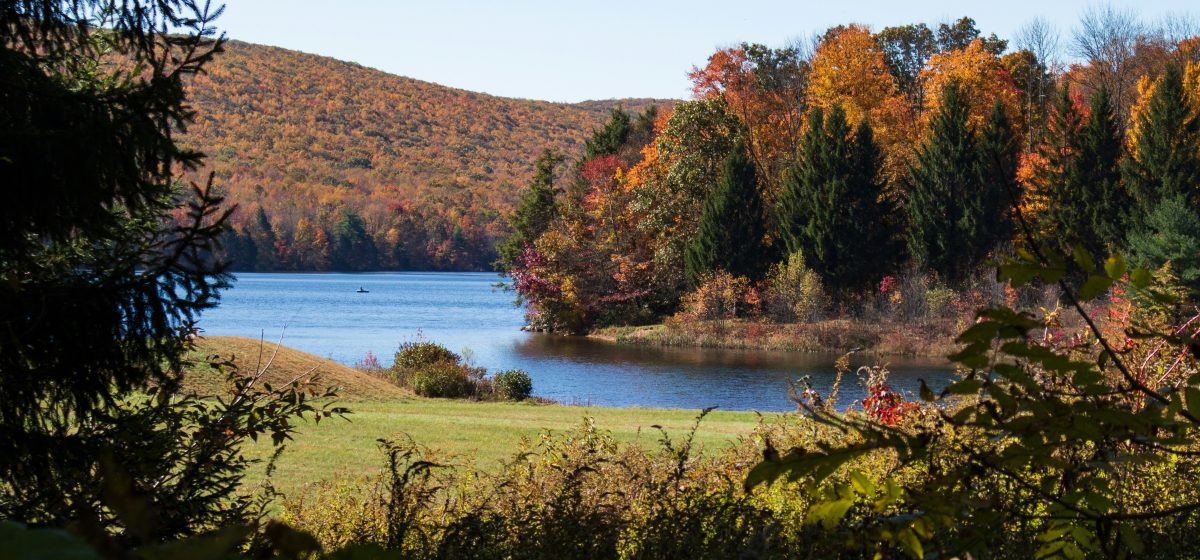
Illustrative landscape photograph by Ryan Stone via Unsplash; it is not a documented location affected by the storm.