3syiovC1WjjU
Pennsylvania has planted more than 5.4 million trees toward a statewide goal of 34 million by 2033, state officials said during a conservation event at the Capitol Complex in Harrisburg on Nov. 19. The milestone places the Commonwealth within a larger regional effort that has recorded more than 57 million trees planted over the past two years across eight U.S. states and two Canadian provinces.
Governor Josh Shapiro, Department of Conservation and Natural Resources Secretary Cindy Adams Dunn and Agriculture Secretary Russell Redding marked the occasion by planting a red oak on the Capitol grounds with representatives of the Great Lakes St. Lawrence Governors & Premiers. The regional partnership is working toward a combined target of 250 million trees by 2033.
Pennsylvania’s contribution to a regional effort
The state says it planted approximately 2.7 million trees in 2024 and another 2.75 million in 2025. Together, those totals bring Pennsylvania’s progress to more than 5.4 million trees toward its 34-million target. The regional figure of 57 million includes work across the broader Great Lakes and St. Lawrence partnership, so it should not be confused with Pennsylvania’s statewide total.
Although Pennsylvania’s direct connection to the Great Lakes region is centered on the Lake Erie watershed, the administration says its conservation work extends across the Commonwealth. State programs include Chesapeake Bay restoration, urban and community forestry, watershed restoration, abandoned mine land reclamation and community greening projects.
Why trees matter for water, air and neighborhoods
Tree planting is often discussed as a climate measure, but the benefits reach beyond carbon storage. Trees and forest buffers can help absorb stormwater, reduce runoff into streams, stabilize soil, provide shade and create habitat for birds and other wildlife. Along waterways, properly placed trees can help protect stream banks and improve the condition of the land between developed areas and the water.
In urban neighborhoods, a healthy tree canopy can also make streets and public spaces more comfortable during warm weather. Shade can reduce heat exposure around sidewalks, schools and homes, while planted areas can make parks and other shared spaces more welcoming. Those benefits depend on choosing suitable species, planting in appropriate locations and maintaining trees after the initial planting event.
For Central Pennsylvania communities, the broader lesson is that planting is only the first step. A young tree needs enough room, water and long-term care to survive. Municipalities, nonprofits, schools, landowners and residents all have roles in protecting trees once they are in the ground.
More seedlings are being produced for future projects
The administration also pointed to expanded seedling production at DCNR’s Mira Lloyd Dock Resource Conservation Center. Annual production there has doubled from approximately 1 million seedlings to 2 million, increasing the supply available for reforestation, habitat restoration and community forestry projects.
State officials said the planting goal is supported by a range of existing efforts, including streamside buffers, community forestry grants and conservation work on public and private land. The announcement did not assign a specific number of future trees to Dauphin, Cumberland or York counties, so local totals should not be inferred from the statewide figure.
What the milestone does — and does not — show
Passing 5.4 million trees is measurable progress, but it is still a fraction of Pennsylvania’s 34-million target. The state will need sustained planting and maintenance over several years to reach the 2033 goal. The regional 250-million target is larger still, and the 57-million milestone represents progress rather than completion.
Residents interested in local tree planting can look for municipal, watershed and community-forestry projects and ask organizers which species are appropriate for a site. Supporting long-term care can be just as important as attending a planting day. A conservation target becomes meaningful when newly planted trees survive, mature and contribute to healthier land and waterways.
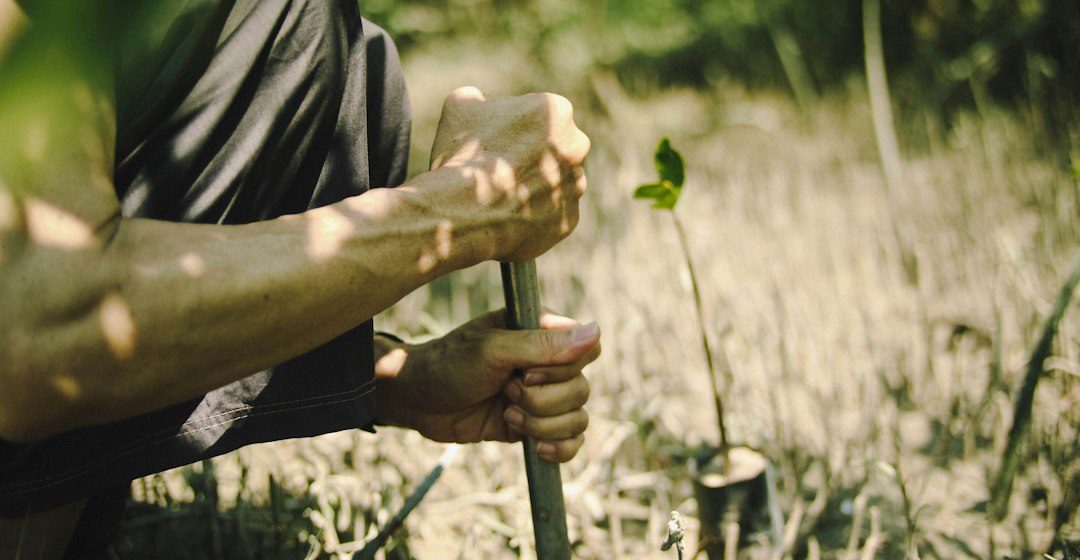
Source: Pennsylvania Governor’s Office, Nov. 19, 2026. Illustrative photo by patsanannnn via Unsplash.