3syiovC1WjjU
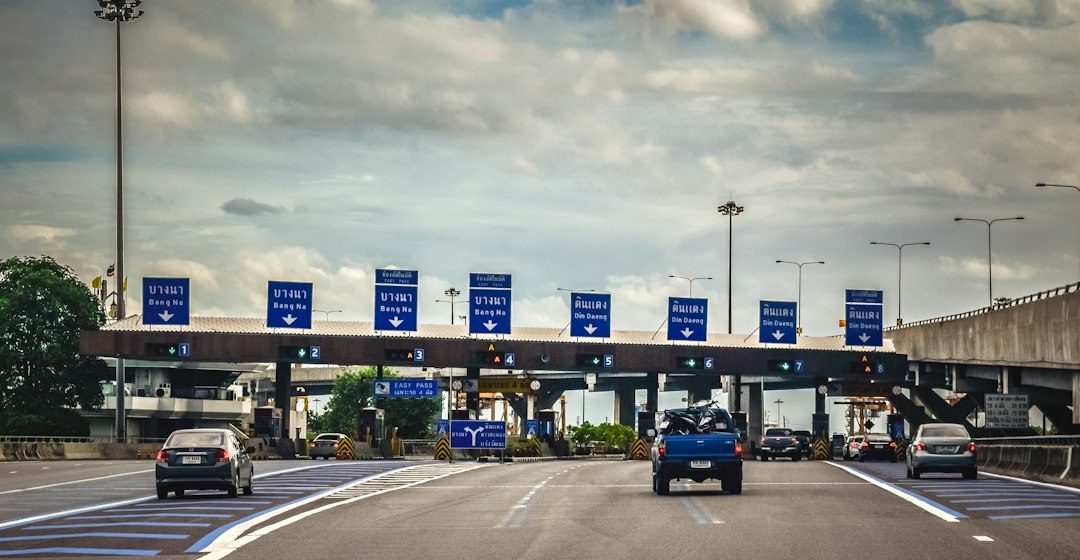
Pennsylvania has approved a law allowing limited sharing of electronic toll-collection vehicle information with law enforcement in certain child-abduction and missing-person cases. Senate Bill 1273 was approved by Governor Josh Shapiro on Nov. 23 and became Act 118 of 2026, creating a narrowly defined exception to the privacy rules that govern electronic toll collection information.
The measure is aimed at helping authorities recover abducted children and missing people who face a special risk of harm or injury. It does not create a general right for police to search toll records for any investigation. The law ties the information-sharing provision to vehicles identified in an alert issued through the Pennsylvania Amber Alert System or the Missing Endangered Person Advisory System.
What information may be shared
The act amends Title 74 of the Pennsylvania Consolidated Statutes, which covers transportation and electronic toll collection. It adds language stating that the privacy provisions do not prevent the provision of vehicle-movement information to law enforcement officials when that information is being used to assist in recovering abducted children or missing persons identified through the state’s alert systems.
The law also sets limits on the exception. Information must be reasonably tailored and provided solely for the purpose of assisting in the recovery of an abducted child or a missing person who is at special risk of harm or injury. That language is important because it connects the disclosure to a specific alert and a defined public-safety purpose, rather than opening routine toll records to unrestricted use.
How the bill moved through the General Assembly
Senate Bill 1273 was introduced in April 2026 and later amended in the House. The House passed the amended bill on Oct. 20 by a vote of 202-1, according to the General Assembly’s legislative history. The Senate concurred in the House amendments on Nov. 17 by a vote of 46-2. Governor Shapiro approved the bill on Nov. 23, and the General Assembly lists it as Act 118 of 2026.
The bill’s stated subject is clarification of the sharing of vehicle information in missing-person cases. Its focus on electronic toll collection means the provision is connected to the movement of vehicles through tolling systems, rather than to a broader change in police search powers or a general change in how drivers pay tolls.
What the law does not authorize
The text does not describe an unrestricted database search or routine release of toll records. Instead, it permits information to be provided when a vehicle has been identified in an Amber Alert or Missing Endangered Person Advisory and when the disclosure is reasonably tailored to the recovery effort. The law’s stated purpose is limited to cases involving abducted children and missing people at special risk of harm or injury.
That distinction matters for residents who want both effective emergency response and clear limits on the use of personal movement information. Electronic toll records can reveal when a vehicle passed a particular point, but the new statute does not say that every toll transaction becomes publicly available or that all missing-person investigations automatically qualify for disclosure.
When the change takes effect
Act 118 states that it takes effect 60 days after enactment. With the Governor’s approval dated Nov. 23, the change is expected to take effect in late January 2027. Agencies and the tolling system will need to apply the new provision within the limits set by the statute.
For families, the law is intended to provide another potential tool when an alert identifies a vehicle that may help locate a person in danger. For drivers, the key point is that the law creates a specific emergency exception, not a wholesale change to ordinary toll collection. The General Assembly’s bill page and the enacted text provide the clearest way to review exactly what the Legislature approved.
Sources: Pennsylvania General Assembly, Senate Bill 1273 / Act 118 of 2026; Act 118 bill text (PDF). Illustrative photo by Nopparuj Lamaikul via Unsplash; image is not a Pennsylvania Turnpike facility.