3syiovC1WjjU
Schools and early-childhood education providers across Pennsylvania are receiving new support to bring locally grown food and hands-on agriculture lessons into classrooms. The Pennsylvania Department of Agriculture announced $639,978 in Farm-to-School grants for 57 schools, school districts and childhood education centers in 29 counties, extending a statewide effort to connect young learners with the farms and food systems around them.
What the grant program supports
The awards are part of the Pennsylvania Farm Bill’s Farm-to-School program. Grants of up to $15,000 are intended to help participating organizations improve children’s access to healthy, locally produced food and create learning opportunities for students from pre-kindergarten through eighth grade. The program is designed to make agriculture more visible in everyday education, rather than treating food production as a subject students encounter only in a textbook.
Projects can give children a chance to learn where food comes from, recognize different fruits and vegetables, and understand how farms contribute to their communities. Depending on the project, a school might introduce locally sourced ingredients into meals, organize food tastings, build garden-based activities or create lessons that connect science and nutrition with agricultural work. The department’s announcement describes the grants as a way to strengthen child nutrition while expanding practical agriculture and career education.
Why local food matters in a school setting
Farm-to-school projects can create a connection between the lunchroom, the classroom and the surrounding regional economy. When schools purchase food grown or produced in Pennsylvania, they can introduce students to seasonal products and give local agricultural businesses another potential customer. The relationship also gives teachers concrete examples for lessons about plant growth, soil, weather, supply chains and healthy eating.
For children, trying a new vegetable or meeting someone who works in agriculture can make a lesson more memorable. For families, school-based food education can reinforce conversations about balanced meals and the variety of foods available in the region. The grants do not solve every challenge related to food affordability or school nutrition, but they can support targeted projects that make healthy choices and agricultural knowledge more accessible.
How schools and communities can make projects last
A successful project requires more than a one-time purchase. Schools need to consider how ingredients will be sourced, how food will be stored and prepared, and how teachers can connect activities to age-appropriate learning goals. Partnerships with farms, food hubs, nutrition staff and community organizations can help schools design projects that fit their capacity.
Local procurement also requires planning. A school may need to coordinate delivery schedules, confirm that products meet food-service requirements and work around seasonal availability. Smaller institutions may benefit from working with a regional distributor or a group of nearby schools to make purchasing more manageable. Those details determine whether a grant-funded activity can continue after the initial award is spent.
What families should look for
Parents and guardians can ask their school whether it received a Farm-to-School award and what activities are planned. Useful questions include whether students will participate in tastings or garden lessons, whether locally produced ingredients will appear in school meals, and how families can reinforce the learning at home. Schools can also share information about local farms and explain how the food system supports jobs across Pennsylvania.
The November grant announcement is a statewide investment, not a guarantee that every district in the 10th Congressional District received an award. Families should check with their own school or early-learning provider for local participation and project details. The department’s program information and grant announcement provide the clearest account of the initiative’s goals and award scope.
By bringing agriculture into the school day, the Farm-to-School program aims to connect children with the people and places behind their food. The value of the grants will ultimately be measured by whether students gain lasting knowledge, schools build practical partnerships and Pennsylvania producers find reliable opportunities to reach the next generation of consumers.
Reporting reference: Pennsylvania Department of Agriculture, November 20, 2026.
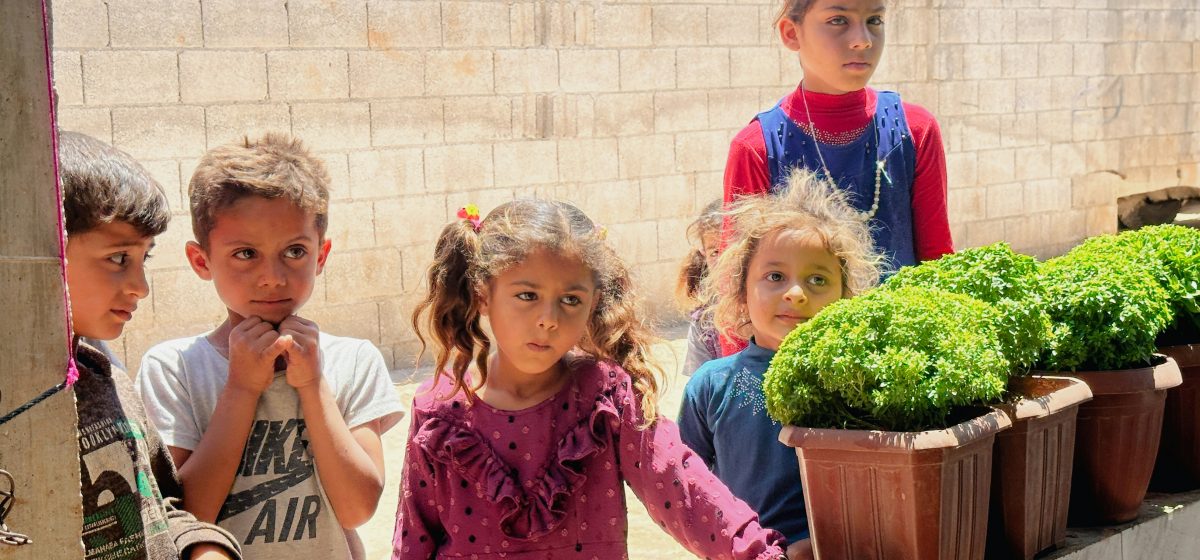
Illustrative photograph by Salah Darwish via Unsplash; the image is not a photograph of a named grant recipient.